History
Film Trivia Through the Decades
By Robert Caine · Film Historian · Published March 2026
By Robert Caine · Film Historian · Published March 2026
Film trivia has a longer history than most people realise. Long before the pub quiz became a British institution, and decades before online platforms turned cinema knowledge into a commodity, people were testing each other's knowledge of films in ways that were remarkably similar to what we do today. Understanding that history tells us something interesting about why we engage with film knowledge at all — and why it matters.
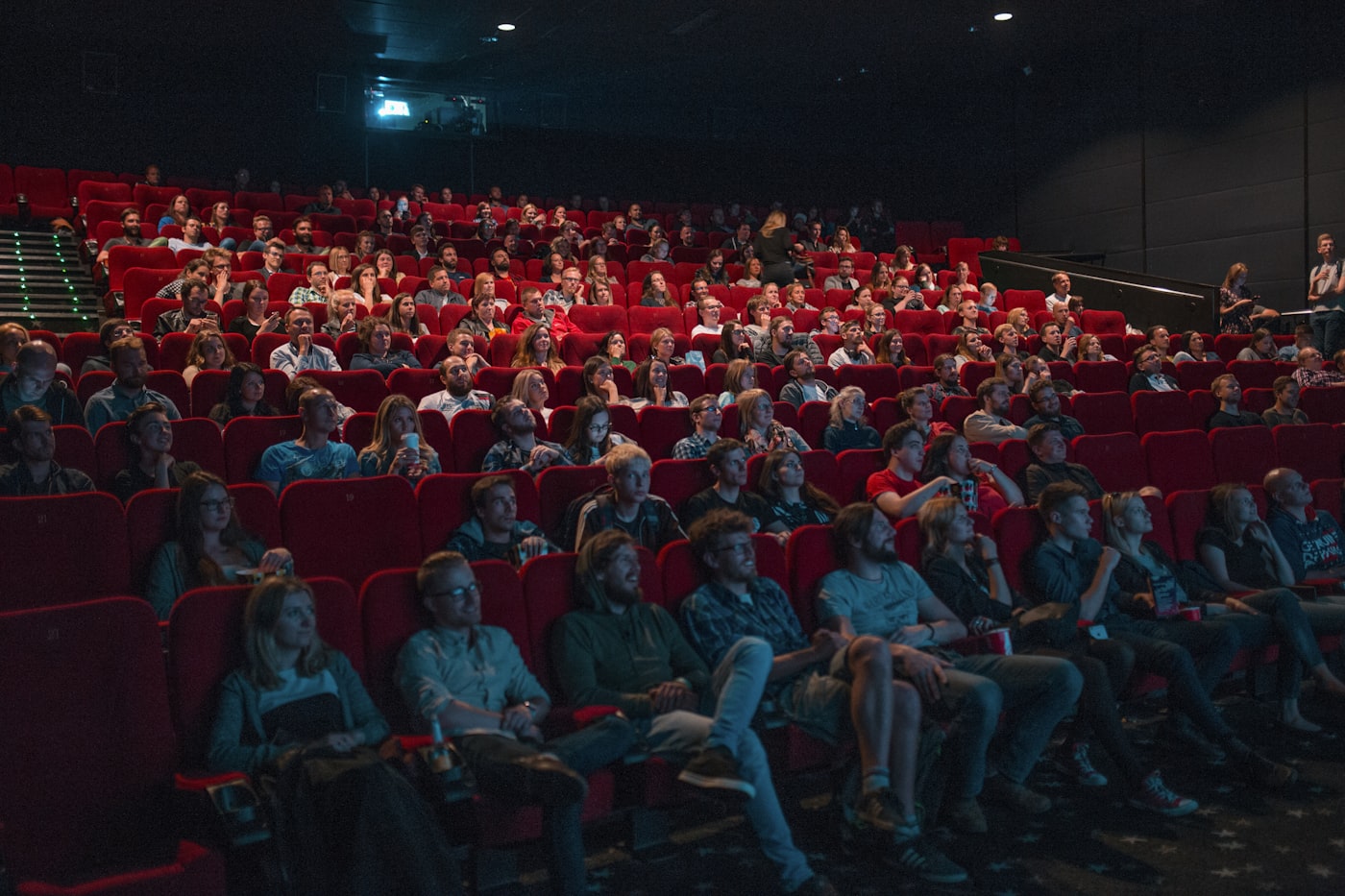
The first real vehicle for film trivia was the fan magazine. Publications such as Photoplay in the United States, which launched in 1911, and Picture Show in Britain, which began in 1919, created a culture in which knowing details about films and film stars was a mark of cultural participation. Readers could test themselves against facts published in the back pages — which studio produced which film, who appeared in what role, which director was working on which picture.
This was not quite trivia in the modern sense. The information was often presented aspirationally — knowing these facts meant you were engaged with the modern world, with popular culture, with the art form that was reshaping entertainment globally. It also had a practical dimension: in an era before television, cinema was the dominant shared cultural experience, and film knowledge was one way of participating in that shared conversation.
Knowing details about films and film stars was a mark of cultural participation — a way of being part of the modern world.
Film studios understood this quickly. They invested heavily in publicity departments that generated facts, figures, and human-interest stories about their productions — not just for promotional purposes, but because they understood that public engagement with film knowledge extended the cultural life of a film well beyond its theatrical run.
The post-war period introduced a new delivery mechanism for film knowledge: broadcast media. In Britain, BBC radio programmes began incorporating film discussions and quizzes in the late 1940s. The format was simple but effective — a host would pose questions about films and film history to panel members or, occasionally, to the audience directly. What mattered was not just whether the answer was known, but the discussion that the question provoked.
Television accelerated this significantly. By the late 1950s, programmes featuring film criticism and discussion were reaching audiences of several million people in the UK. Critics such as Dilys Powell and C.A. Lejeune became recognisable public figures not just for their opinions, but for their evident knowledge — their ability to contextualise a film within its historical moment, to connect it to other films, to explain why a particular directorial decision mattered.
This created a new model for film literacy: the informed viewer who brought knowledge to the experience, rather than simply receiving it. The idea that watching films carefully, building up a body of knowledge about film history, was a worthwhile intellectual activity — one that could be discussed, debated, and tested — became part of mainstream British culture in this period.
The 1960s introduced a more intense form of film engagement: cinephilia. This movement, which originated largely in France with the critics and filmmakers associated with Cahiers du Cinéma, arrived in Britain through film societies, specialist magazines, and eventually university film courses. At its core was the idea that cinema was an art form demanding the same level of close reading and historical awareness that literature or music demanded.
For the purposes of film trivia, cinephilia had an important effect. It created a body of serious film knowledge that extended beyond stars and box office figures to encompass directors, cinematographers, editors, composers — the full range of people who make a film. It also created a canon: a set of films considered essential, discussed endlessly, whose details became the currency of informed conversation.
The film societies that proliferated across British universities in this period were partly social spaces and partly educational ones. The knowledge that circulated in them — which films were important, why, what they meant — was tested informally in the discussions that followed screenings. This was not so different from what happens in a well-designed film quiz.
The British pub quiz, in roughly its current form, emerged as a recognisable cultural institution in the late 1970s and became firmly established through the 1980s. Film was always a substantial component — not just because films were widely watched, but because they generated exactly the kind of verifiable factual knowledge that quiz formats require. Who directed this film? What year was it released? Who played the lead role? These questions have definitive answers, which is what distinguishes trivia from opinion.
The 1980s also saw the rise of board games built around film and television knowledge, most famously Trivial Pursuit (launched in 1981), which included an entertainment category that leaned heavily on cinema. The success of these games demonstrated the breadth of public appetite for film knowledge as entertainment — a market that had existed for decades but had never been quite so explicitly addressed.
Interestingly, the pub quiz and the board game introduced a different relationship to film knowledge than the cinephile tradition. The question was not "what does this film mean?" but "can you remember this fact?" Speed and specificity mattered. This created a different kind of film literacy — one that was wide rather than deep, built on familiarity with a large number of films rather than expert knowledge of a smaller selection.
The arrival of the internet transformed film trivia in ways that are still unfolding. The Internet Movie Database (IMDb), launched in 1990 and publicly available from 1993, created a freely accessible repository of film information on a scale that had never previously existed. Suddenly, almost any factual question about any film could be answered within seconds. This changed the relationship between film knowledge and quiz culture significantly.
When facts are universally accessible, the value of knowing a fact diminishes. What remains valuable is the ability to contextualise — to understand not just that a particular actor appeared in a particular film, but why that matters, what it tells us about the film's production history or cultural moment. The best online film quizzes adapted to this change, focusing on questions that required genuine understanding rather than simple recall.
The social dimension of film knowledge also shifted online. Platforms built around film discussion — Letterboxd being perhaps the most notable example — created spaces where film knowledge could be displayed, discussed, and evaluated publicly. The act of demonstrating that you have seen a film, that you know its details, that you can place it in context, became a form of social self-presentation.
Tracing the history of film trivia from fan magazines to online platforms reveals something consistent: people have always wanted to engage with film knowledge as a form of social activity. The formats have changed — from letters pages to pub quizzes to digital platforms — but the underlying impulse remains the same. To know something about a film is to be connected to everyone else who knows it, to participate in a conversation that has been going on, in one form or another, for over a century.
What changes across the decades is the relationship between knowledge and meaning. The best film quiz questions — the ones that feel satisfying rather than mechanical — are the ones that carry some of that meaning with them. Knowing which studio produced Casablanca is interesting; understanding why a Hollywood studio was making a film about North Africa in 1942, at that particular moment in the war, is considerably more interesting. The best trivia points towards that second kind of understanding, even if the question itself is factual.
That is what we try to do at Quiz Search — to write questions that, in their answers and explanations, point towards something worth knowing. Not just to test memory, but to extend it.